
Weekly Schedule for Kids
Creating a weekly schedule for kids can transform your family?s daily life. Whether you’re managing preschool routines or school-aged chaos, a well-designed schedule can reduce stress, build independence, and help kids thrive. But not just any plan will do ? the secret lies in creating a kid-friendly routine that actually fits your child?s needs and personality.
In this complete guide, you?ll learn how to create a weekly schedule that truly works for your child, step-by-step. Plus, we?re giving away a free printable weekly planner and sharing our favorite kid-approved planning tools to make the process even easier.
Let?s dive in and build the perfect weekly schedule for your child ? one that brings structure, balance, and even a little fun into your days.
? Why a Weekly Schedule for Kids Matters
Kids thrive on routine. Predictable schedules help them feel safe and in control of their world. According to child development experts, having a visual weekly schedule:
- Builds time management and organizational skills
- Reduces anxiety and behavioral issues
- Encourages independence and self-regulation
- Helps kids transition smoothly between tasks
If your mornings are chaotic or if you constantly hear ?What are we doing today??, chances are your child needs a weekly schedule they can see and follow on their own.
According to Seattle Children?s, routines and structures help kids feel safe, improve emotional regulation, and foster self-confidence, which are all essential for a functional weekly schedule for kids.
As highlighted by Head Start, consistent schedules give children predictable routines, build a sense of control, and support social and emotional development.
The Kids Mental Health Foundation explains that routines help children feel secure, grow in independence, and reduce daily power struggles.
Experts at Children?s Health note that daily routines improve planning and organizational skills, boost confidence, and promote better sleep and mental harmony.
? Key Elements of a Kid-Friendly Weekly Schedule
Not all schedules are created equal. The perfect weekly schedule for kids should be:
1. Visual and Colorful
Use colors, icons, or even stickers. Young kids especially benefit from visual cues.
2. Consistent Yet Flexible
Maintain structure (e.g., bedtime at 8 PM) but allow for some variation (e.g., free play after dinner).
3. Age-Appropriate
Preschoolers might only need basic routines like meal times and naps. Older kids might include homework, chores, or extracurricular activities.
4. Balanced
Ensure there?s a healthy mix of tasks: study time, outdoor play, chores, screen time, and family time.
?? Tools to Create a Weekly Schedule for Kids
Creating a weekly schedule doesn’t have to be hard. You can use digital tools or go the printable route. Here are some helpful options:
? Free Weekly Schedule Printable
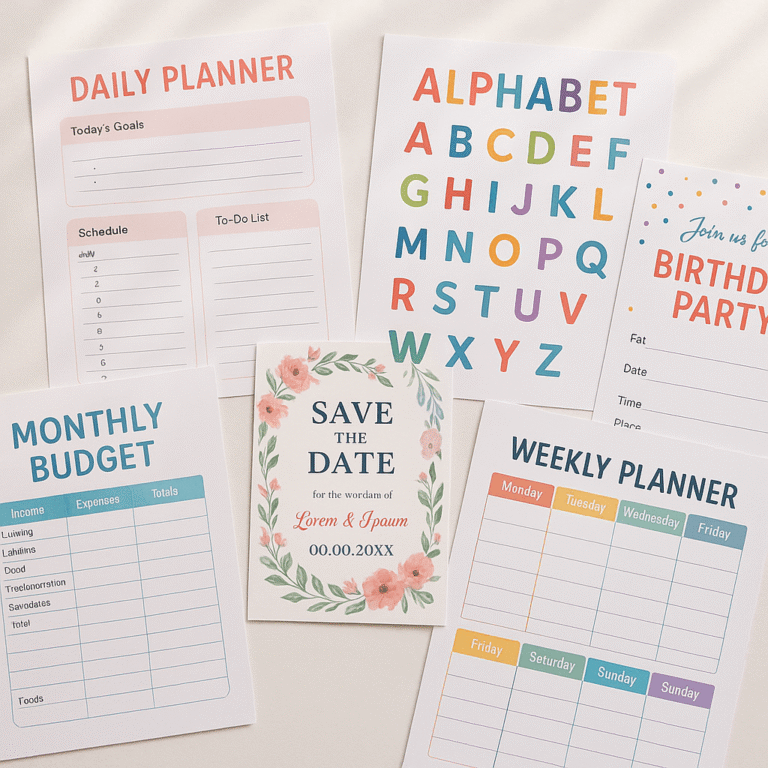
We?ve created a free printable weekly planner for kids to help you get started. It includes:
- Color-coded days
- Sections for morning, afternoon, and evening
- Space for custom tasks, like chores or reading
- A fun, kid-friendly design
? Download the free weekly schedule template here:
? Related Products You Might Love:
- Editable Weekly Routine Chart ? PDF for Kids
- Chore & Reward Chart Bundle
- Fillable Visual Planner for Kids
? Step-by-Step Guide to Building a Weekly Schedule for Kids
Step 1: Start with the Basics
List out recurring events like school hours, mealtimes, and bedtime. These are the anchors of your weekly schedule.
Step 2: Add Essentials
Incorporate homework time, reading, bathing, and any other must-do activities.
Step 3: Include Fun Time
Balance structure with fun. Add time for hobbies, free play, or a family movie night.
Step 4: Give Kids a Say
Let them pick a few activities or even decorate the schedule. Involvement = ownership.
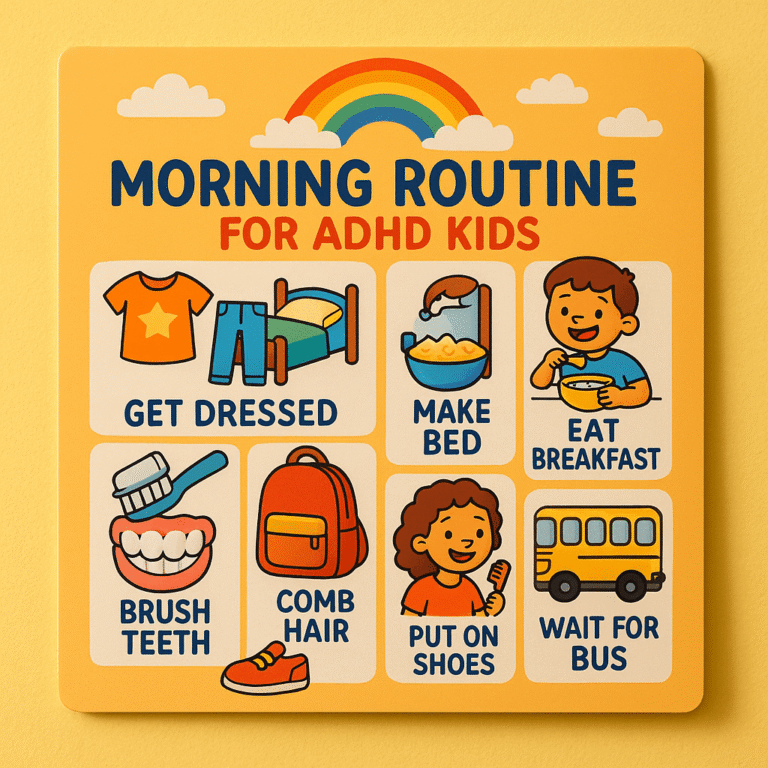
Step 5: Use Visual Cues
Icons, stickers, or color-coding help non-readers follow along without needing help.
Step 6: Hang It Where They Can See It
The fridge, bedroom wall, or study desk is ideal. Visibility keeps the schedule top of mind.
?? How to Use the Schedule Effectively
- Review it daily: Start each morning by going over the plan.
- Use it as a checklist: Let kids tick off completed tasks.
- Reward consistency: Stickers, praise, or small treats encourage them to stick to the plan.
- Adapt as needed: Life happens! The schedule should evolve as your child grows or seasons change.
?? Printable vs. Digital: Which is Better?
Both have their perks!
- Printable schedules are great for younger children who benefit from physical interaction ? they can use markers or stickers.
- Digital planners are ideal for older kids or tech-savvy families. They allow for easy changes and are portable.
Tip: Our printable versions are also fillable, meaning you can type directly into them before printing ? perfect for neat, clean schedules every week.
? Creative Add-ons That Make Schedules Fun
Here are some optional ways to level up your weekly schedule for kids:
- Sticker sets for completed tasks
- Custom name labels
- Magnetic charts for fridge placement
- Color-coded timers for task tracking
- Theme-based planners (e.g., unicorns, dinosaurs, space)
You can find themed printable schedules in our shop for different age groups and interests.
??????? Real-Life Success Story
“My 6-year-old used to ask me 10 times a day what we?re doing next. Now, with the visual weekly schedule on our fridge, she just looks and knows! She even reminds me when it’s library day.”
? Sarah M., PrintableWork customer
? Final Tips for Parents
- Consistency is more important than perfection
- Model the routine yourself (kids follow what they see)
- Celebrate small wins ? every checked-off box is progress
- Adjust regularly ? each child is different, and schedules should reflect their needs
? Explore More Kid-Friendly Planning Tools
We?ve created a collection of kid-focused printable charts and planners designed to help families stay organized without overwhelm:
? View All Printable Checklists
From daily checklists to bedtime routines and school prep templates, we?ve got what you need.